Everybody Lied
All claims documented · lordoflucies.comTrue stories from our family tree — every one of them documented, none of them boring
You've told me genealogy is just names and dates. Fair enough. So forget the names and dates. Let me tell you about the bacon.
The Luckiest Criminal in San Francisco
On January 21, 1906, the San Francisco police arrested a 69-year-old merchant named Moses Morris and his son Isidor at their store, the Morris Bargain House, 1123 Market Street. The charge: receiving stolen goods. Among the merchandise the police itemized were twenty-two and a half sides of bacon.
Moses Morris is our relative. He was also the oldest charter member of his B'nai B'rith lodge — which means one of San Francisco's most senior Jewish fraternal figures stood accused of trafficking in hot pork. Contraband twice over.
Eighty-seven days later, on April 18, 1906, the earthquake hit. The fire that followed burned the Hall of Justice, the court records, the police evidence, and 1123 Market Street itself. Whatever the People of California had on Moses Morris, God torched it. He was never prosecuted. He lived another thirty years — unbeaten at pinochle "since the Civil War," according to the newspapers, smoking four cigars a day, retiring at ninety only "to satisfy the requests of his sons" — and died peacefully in 1936, three months short of his hundredth birthday. At 97, weeks after Prohibition ended, a reporter asked what he drank. His answer: "Anything, as long as it has a kick to it."
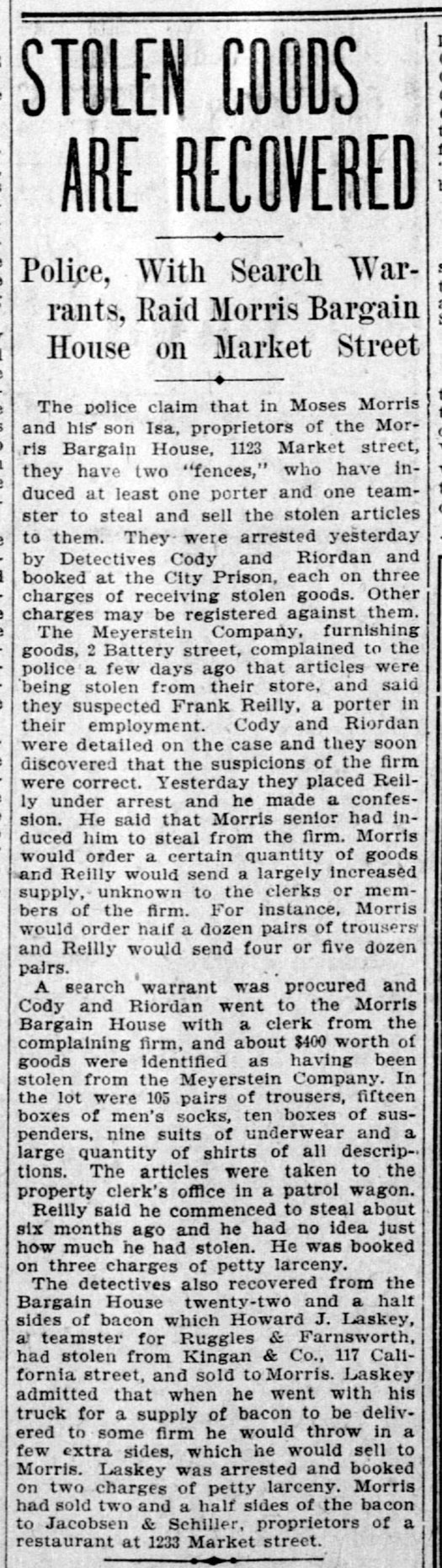
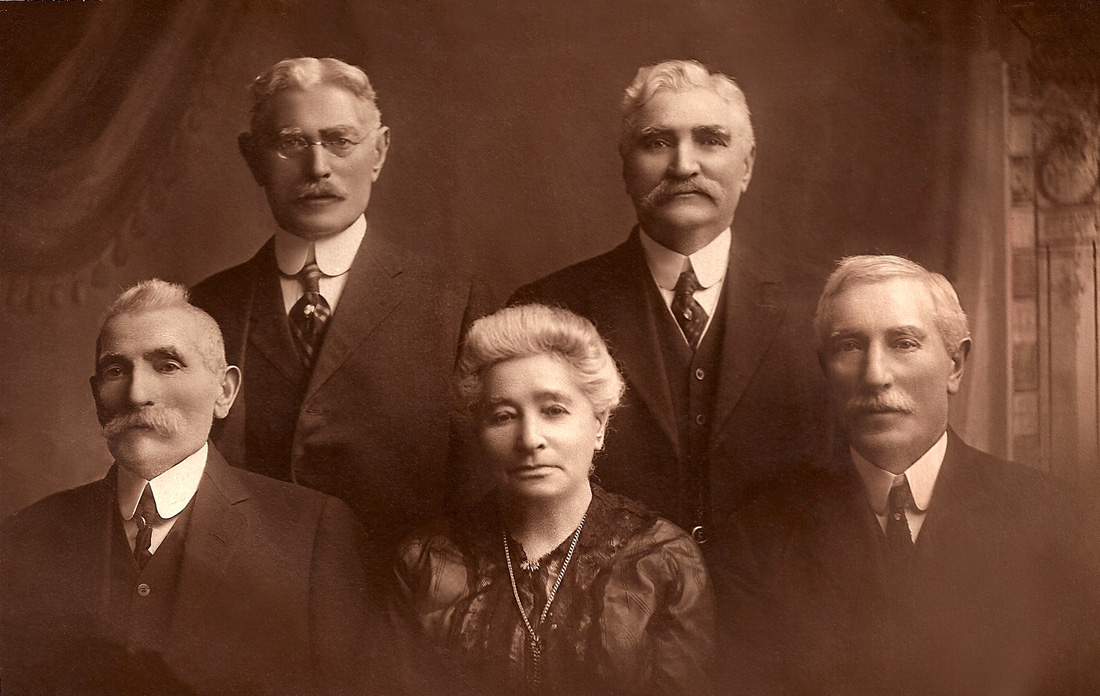
That's a fact. It's in the papers. You can read the clippings on the website.
Still bored?
The Family Rule
Here is the thing I've learned from twenty-five years of collecting our family's certificates, manifests, censuses, and court files: almost nobody in this family ever filled out a form honestly.
They subtracted years from their ages. They upgraded their birthplaces. They invented dead husbands out of spare parts. They renamed themselves at every border. And when the truth was unbearable, they replaced it with a better story and told it so well that we believed it for a hundred years.
You'd think that would make the "boring facts" worthless. It's the opposite. Every lie in this family is a door. Behind every falsified document is the real story — and the real story is always about protecting someone, or surviving something, or loving somebody they weren't supposed to love. The facts aren't the point. The facts are the fingerprints.
Come meet the suspects. (Relationships below are given from my perch in the tree — depending on which of you is reading, add or subtract a "great." This family has never been fussy about that sort of accuracy, and I see no reason to start now.)
The Woman Who Refused to Age
Start small. My great-great-great-grandmother Eliza Wyser stated her age on a ship's manifest in 1895: forty-eight. She was fifty-three. On her death certificate in 1910, her daughter gave her age as sixty-four. She was sixty-nine. Across two documents and fifteen years, Eliza remained a consistent five years younger than reality. She took the discount to her grave. It's the gentlest fraud in the family, and it set the tone.
Her husband is a bigger mystery. Bruno Wyser, born 1841 near a Swiss village called Niedergösgen, a tanner by trade — and a man who somehow surfaces in Montevideo, Uruguay in the 1860s, then Adelaide, Australia in 1877, then Honolulu in January 1895. Why does a Swiss tanner cross the world along the exact route of the international hide trade? We're still working on that; there's a letter sitting in an archive in Switzerland right now, waiting for an answer.
But we do know how Bruno's story started, because we have his eldest daughter's baptism certificate from Montevideo, and it contains three words the family never mentioned: born out of wedlock. Bruno and Eliza's first child arrived sixteen months before their wedding — and they married on the first anniversary of the baptism, to the day, in front of the same pastor. The family tradition of editing the paperwork wasn't invented by the children. The founders wrote the manual.
Bruno died of cancer in San Francisco in December 1895, eleven months after finally reaching Hawaii. He was cremated, and his ashes sat at the crematory for four and a half months before his widow collected them — we have the receipt, signed at 31 Minna Street. Eventually the urn crossed the Pacific to the family plot in Honolulu's Oahu Cemetery, where he lies today. Even in death, this family traveled.
The Uncontrollable Girl
That daughter born in Montevideo grew up to be Aunt Ida — and Ida's file is the wildest in the archive.
At fourteen, in Adelaide, her own father had her committed to a reformatory as — official phrase — "an uncontrollable girl." She served a month and was out by Christmas. A family interview recorded decades later says Ida and her sisters became "actresses, dancing in Australia." At nineteen, in Sydney, unmarried, she had a baby — and married a man named Widmer eighteen days later. The baby, Amy, was quietly absorbed into the family and raised as Ida's sister. Nobody blinked. By now you see the pattern.
Ida landed on her feet, spectacularly. She turned up in San Francisco, wealthy — "she had the money before she married," the family insisted — and wed Tom Boyd, a marine engineer who ended up president of a Honolulu mortuary. They lived across the street from the Moana Hotel in Waikiki, then in a mansion at 1554 Palolo Avenue — with, family legend and I do not doubt it, two hundred Pekingese and a locked room full of dolls.
In February 1941, at seventy-three, sick with a failing heart, Ida was put aboard the liner Mariposa, alone, bound for Australia. She died at sea two days past Pago Pago. Because the ship's next port of registry business was Sydney, her death — an American woman from Honolulu, on an American ship — was recorded in the registry of New South Wales, the one place on earth nobody would think to look. It took us decades, another woman's diary, and a kind stranger on a ship-lovers' forum to find her.
And her husband the mortician? He inherited her fortune, cut out her family, left everything to the Masons, and died three years later — whereupon his own ashes were shipped to Sydney to be buried beside hers. The man who sent his wife to die at sea ended up making her funeral voyage twice. If you wrote it as fiction, an editor would cut it for being too much.
The Widow Who Built an Empire
Ida's little sister is my great-grandmother, Emilia — "Lily." She arrived in Honolulu in January 1895 in steerage, a 21-year-old Swiss immigrant listed as "seeking employment." Five months later she was married at St. Andrew's Cathedral to a ship's engineer from Manchester named James Wilkinson. Steerage to the cathedral in five months. Lily did not waste time.
James rose to first engineer on the inter-island steamers. Then, around 1908, something started going wrong with him. And here is where Lily shows you who she was: in May 1908, as her husband was failing, she bought a house — in her own name. James's signature appears only on the mortgage, where the bank required it. When he died fourteen months later, the house passed through no estate, touched no probate, and could be reached by no creditor. A steerage immigrant with no formal education executed a piece of asset protection that lawyers would admire today. She went on buying. By the 1920s she was the landlady of a small real-estate portfolio in Kaimuki, some of which the family held for generations.
James died in July 1909 in the Oahu Insane Asylum. The cause on the certificate is general paresis — which, medicine now knows, is late-stage syphilis reaching the brain. A young teenager at the time, his son — my grandfather — was told something else, and told us something else all his life: that his father was killed in an accident, struck by a fire-hydrant cap while working for the Board of Water Supply.
It's a good story. It is also impossible: the Board of Water Supply wasn't created until 1929, twenty years after James died. That anachronism is the loose thread that unraveled the whole thing. The family didn't invent randomly, you see — they transposed. Real details, moved to better locations. Remember that technique. You're about to see its masterpiece.
The Boy With the Three-Page Birth Certificate
In July 1913 — four years after James died — Lily, by then living temporarily in California, had a son. She named him Jack, and raised him as James's child. Nobody in Honolulu did the arithmetic out loud.
Jack's birth certificate is three pages long, and it is the family's Sistine ceiling. The original names the father as "George Wilkins, deceased, machinist, born in Australia." There was no George Wilkins. He is a quilt sewn from scraps of real family facts — a dead husband's trade here, a family port of call there — a fictional man assembled entirely from true materials, so that no single stitch would look false. In 1937, needing a passport, the grown Jack filed an affidavit correcting the certificate — his surname, his mother's birthplace — while carefully leaving "George" in place. The same day, the Honolulu Advertiser announced: "Wilkinson, Artist, Going to Europe."
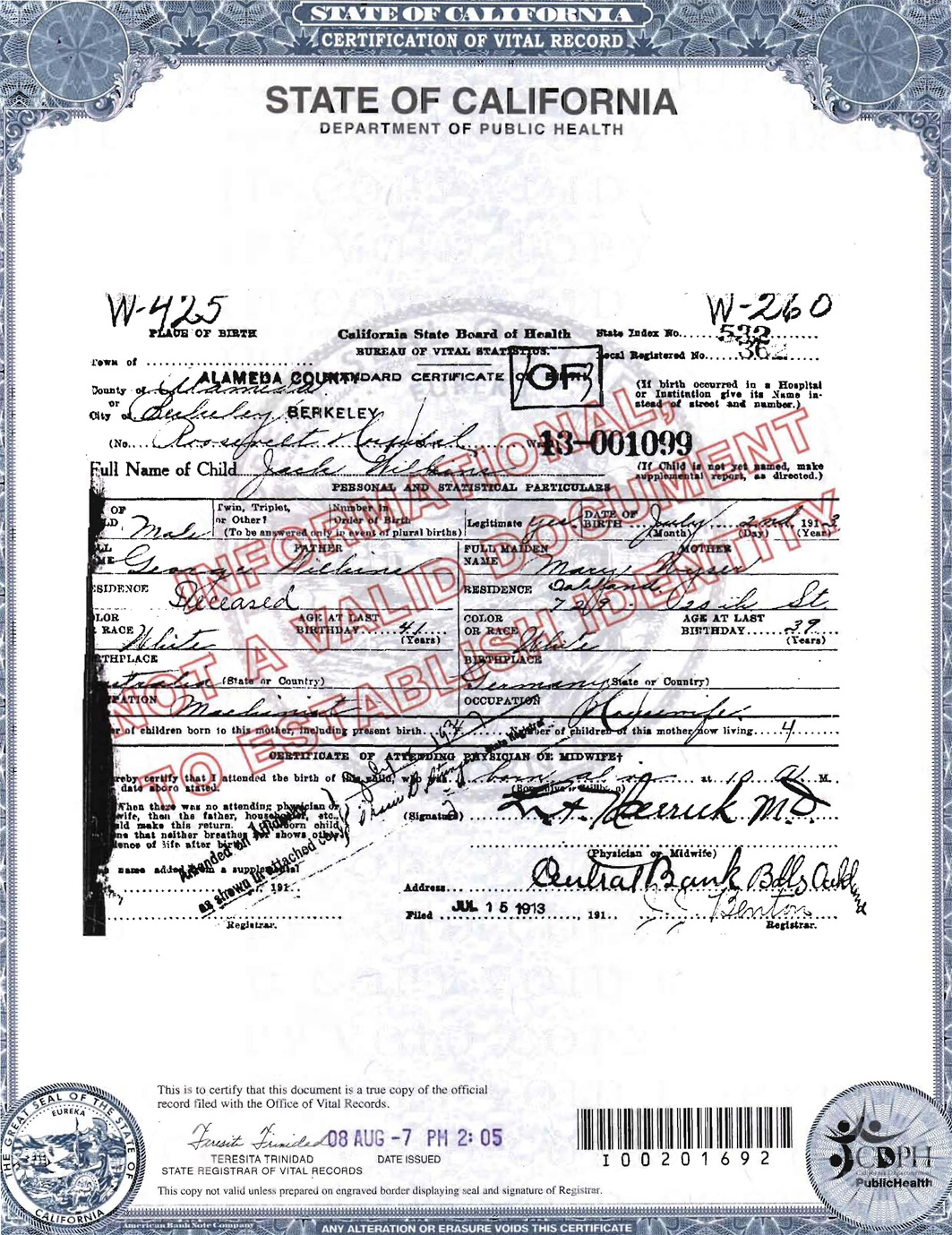
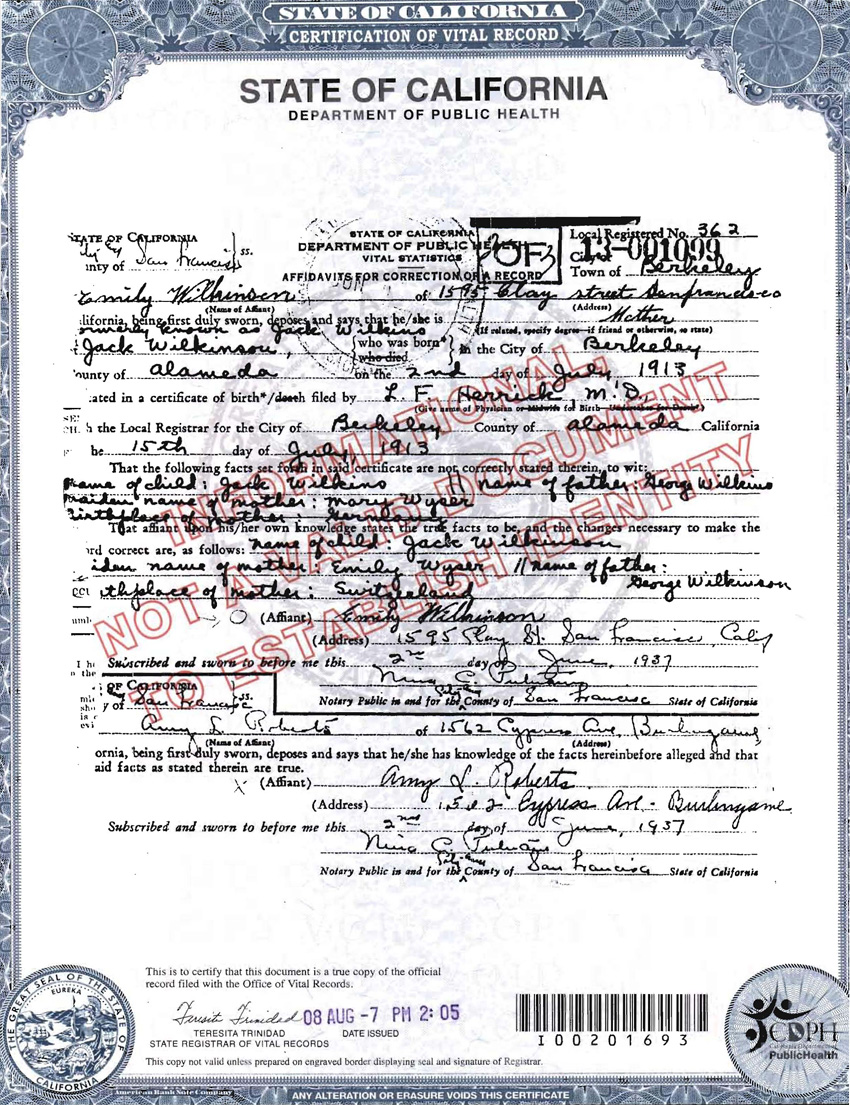
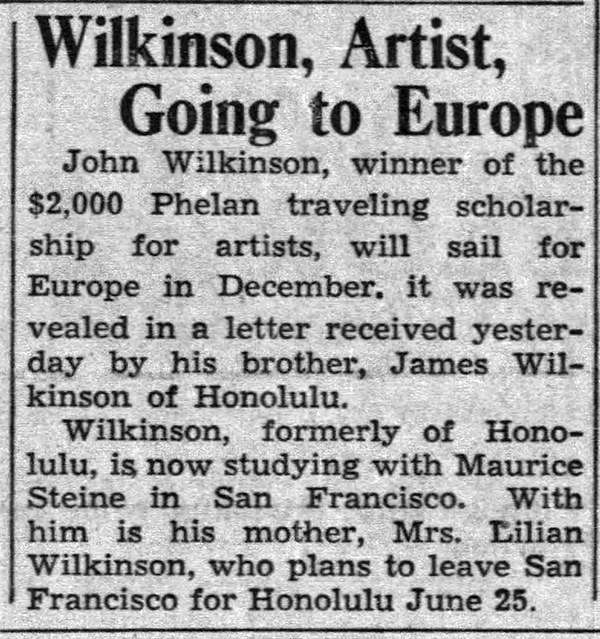
Because Jack — the concealed son, the boy documented into existence by an invented father — became genuinely remarkable: a painter and philosopher, a university professor and department head, a man who painted a New Deal post-office mural that you can still visit. His daughter, a professor herself, learned the truth of her father's parentage from me before I published it. Her answer, which I think about often: "Truth is truth."
We still don't know who Jack's biological father was. The family said a boxer met on an ocean crossing; another version named a prominent contractor — and that version, when tested, dissolved exactly like the fire-hydrant cap did. The transposition machine, running one more time. DNA will settle it eventually. The file stays open.
Two Helens, One Street, and a Twenty-Foot Photograph
My grandmother was Helen King Wilkinson. So, infuriatingly, was her sister-in-law. Two Helen Wilkinsons, married to two Wilkinson brothers, each convinced she was the original and the other was the impostor. They spent decades being confused with each other and hating it. Naturally, the diary that solved Aunt Ida's death at sea belonged to the other Helen — meaning the two rivals have ended up collaborating on this family history for eternity, which would have delighted neither of them.
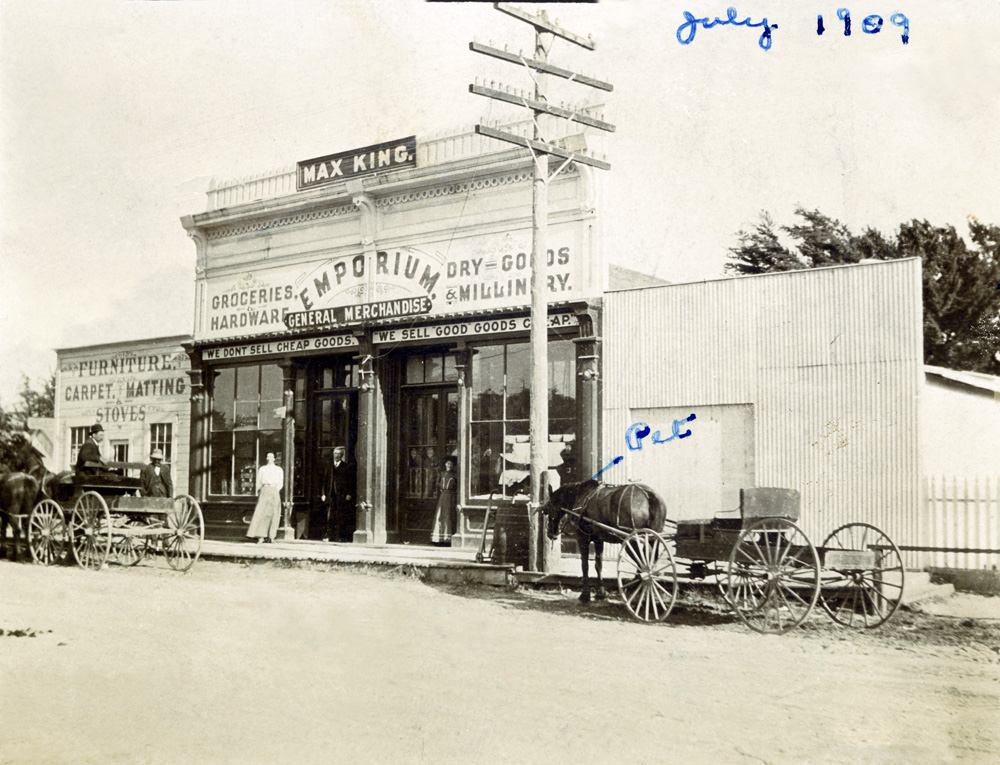
Our Helen was born above a general store in Los Alamos, California. Her father, Max König — Austrian immigrant, name smoothed to King — bought the town's flagship store in 1900 and renamed it The Emporium, motto: "We don't sell cheap goods, we sell good goods cheap." His timing was the mirror image of Moses's: in 1901 the railroad bypassed the town; in 1902 an earthquake cracked every brick building in it. Max held on for fifteen stubborn years anyway. The bypass that ruined his business preserved the town — no boom ever arrived to tear down the old storefronts — and today Los Alamos is a fashionable wine-country main street, Max's store is the posh restaurant Pico, and the entire back wall of the dining room, twenty feet wide, is a photograph of Max. There's also a street in town called Helena Street. It's named after our grandmother.
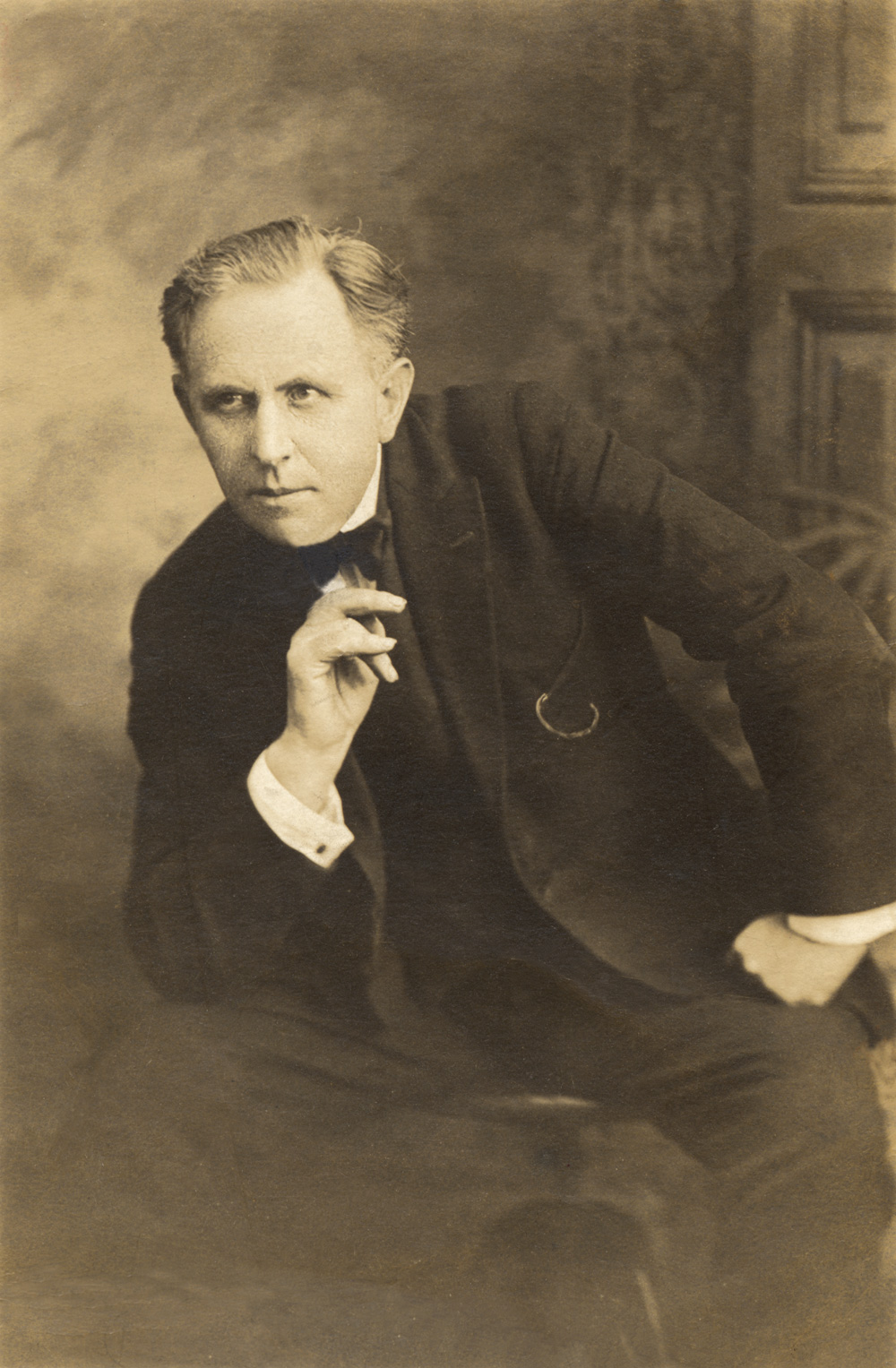
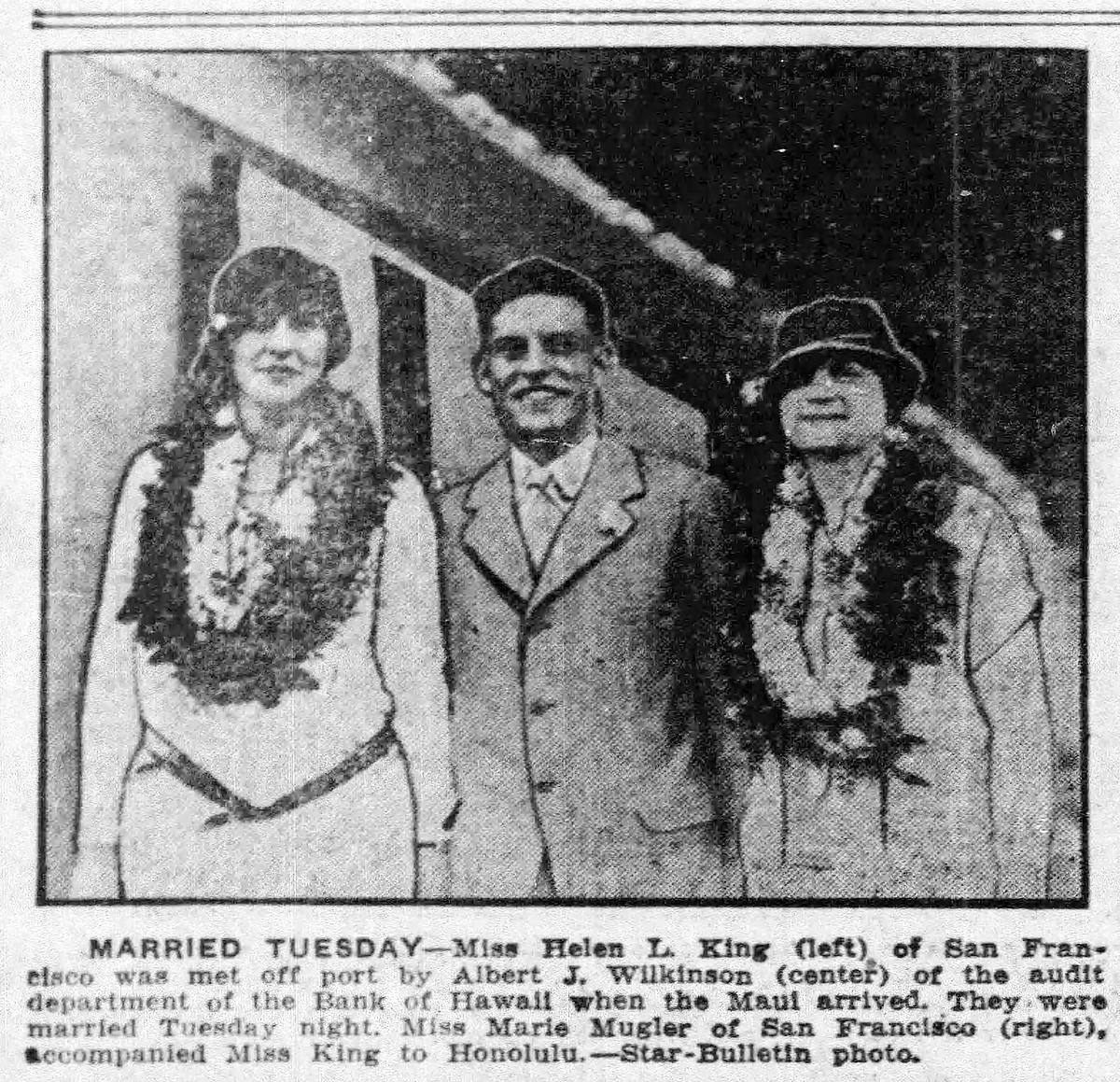
And how did a Los Alamos storekeeper's daughter end up in Hawaii? Her father sent her — with a girlfriend, twenty-five hundred miles across the ocean — because Helen had fallen in love with a man the family deemed unacceptable, and the theory was that distance would cure her. It worked in days. She met Albert Wilkinson on a blind date almost immediately, and they struck a deal: she'd go home, they'd write, and if the letters were still coming after a full year, they'd marry.
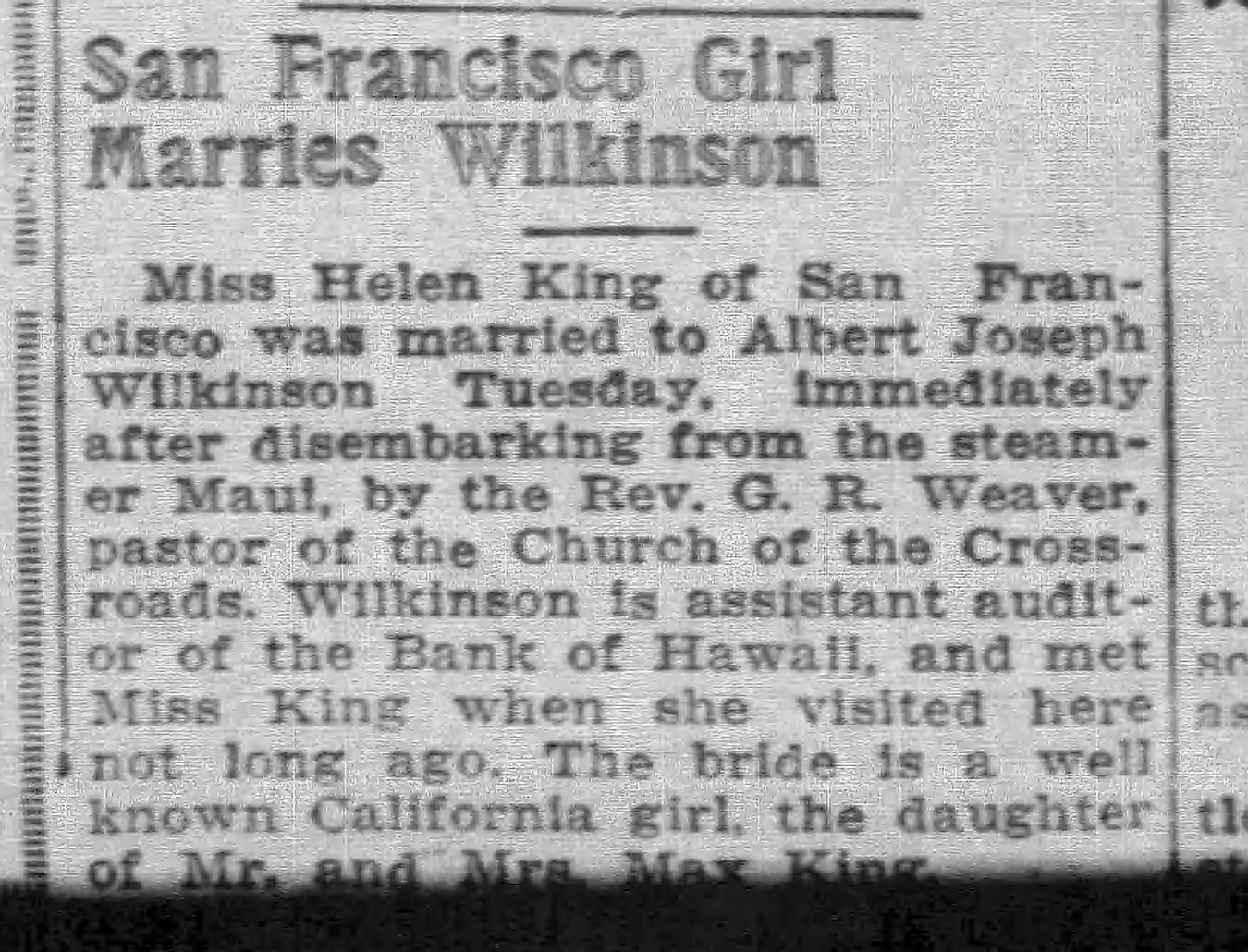
The pact lasted six months. Then she boarded the steamship Maui, and the newspaper recorded what happened next: they were married "immediately after disembarking." She walked off the gangway into her wedding. Meanwhile Albert — a young bank auditor in a city where all mail arrived by steamer — had made friends at the Post Office so that her letters were pulled the instant each mail ship docked. He couldn't make the ships faster, so he optimized the only part of the ocean he controlled. That is the correct way to be in love, and it's in our blood.
The Flower Queen of Moanalua
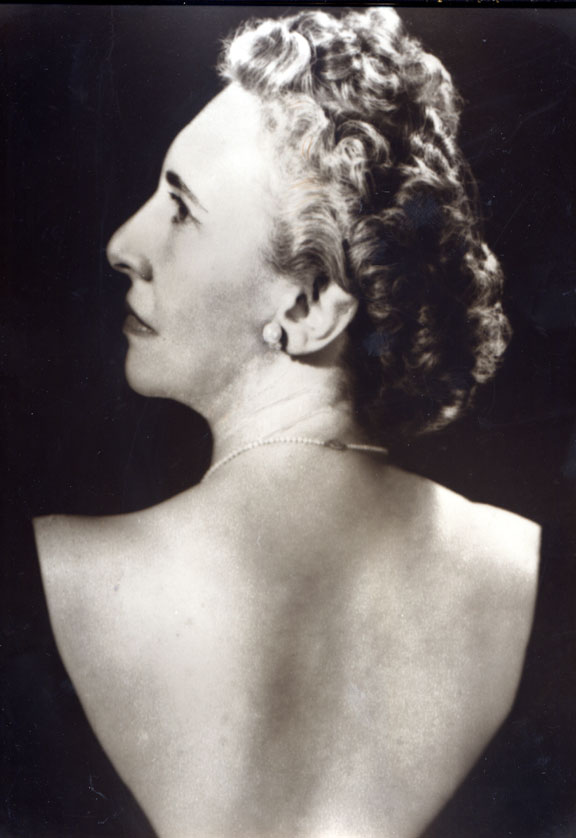
And what did Helen do with the life that started at that gangway? Everything, at full scale, one empire at a time.
She trained as a registered nurse. Then the war came, Honolulu filled with a few hundred thousand servicemen — each with pay in his pocket, a curfew at sundown, and hours to kill in the Hotel Street queues — and the King merchant instinct, two generations deep, knew exactly what to do: Helen and Albert ran a pinball arcade. Grandpa audited the Bank of Hawaii's money by day and, one assumes, rolled the arcade's nickels by night. Remember the family motto from the Gold Rush — when others were mining gold, they owned stores? Wartime translation: when others fought the war, they owned the machine the soldiers fed their nickels into. Moses would have wept with pride.
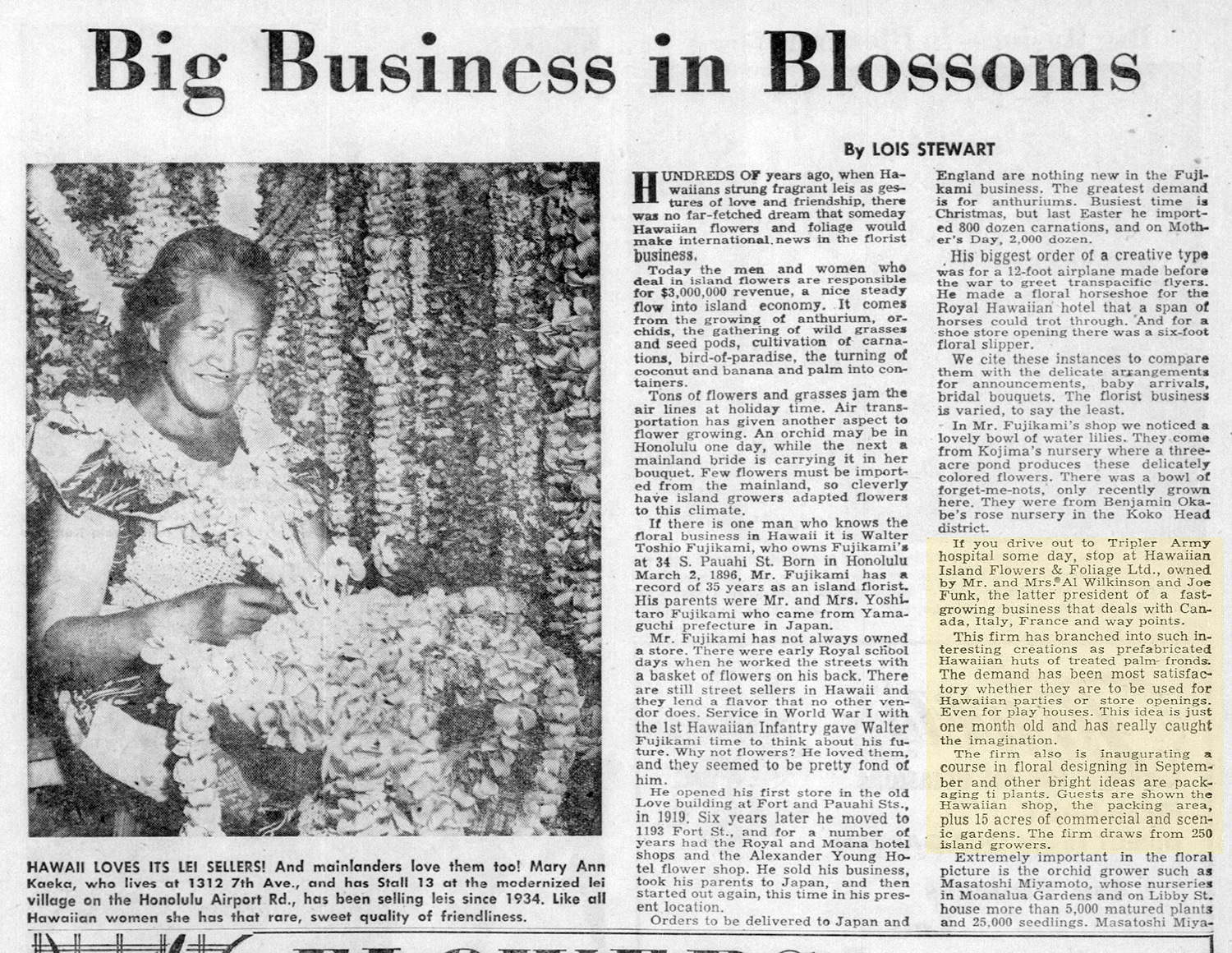
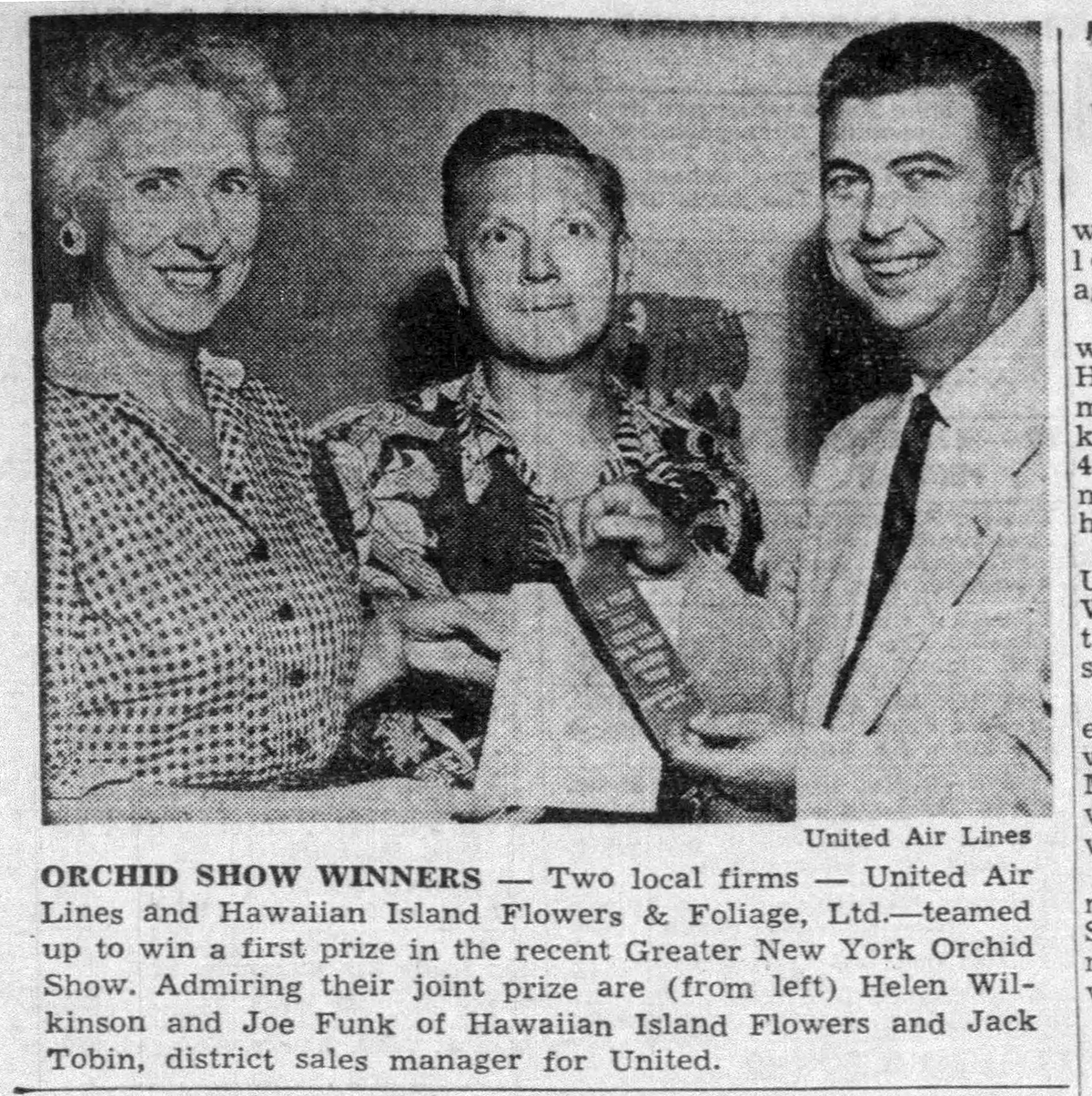
After the war she went bigger. HIFF — Hawaiian Island Flowers & Foliage: seven acres of greenhouses and jungle in Moanalua, at the foot of the road up to Tripler Hospital, with tour buses rolling through in the golden age when Hawaii's flowers were themselves a tourist attraction. It grew into the largest flower operation in the islands — growing, retail, tours, and Hollywood contracts. When Paramount came to shoot Blue Hawaii in 1961, the flowers were Helen's. When John Ford shot Donovan's Reef, the flowers were Helen's. Which means our grandmother is the only ancestor in either tree whose handiwork you can stream tonight: every lei that lands around Elvis's neck, the whole flower-drenched Coco Palms wedding finale that people still travel to Kauai to reenact — that's Grandma's work, preserved in Technicolor forever. And for the judges who preferred their flowers off-screen, she had credentials there too: HIFF took a prize at the Greater New York Orchid Show — which means both of our family trees contain a documented, prize-winning orchid exhibitor, seventy years apart. Clement Parker staged his orchids for the Bath and West in 1882; his granddaughter-in-law's family staged theirs for Manhattan. The flower shop in Waikiki — Wilkie's — was already charming the press by 1940. Nobody in this family ever ran a small operation.
The ending is the bitter mirror of her father's story, and I don't think either of them ever noticed the symmetry. Max's store was saved by infrastructure that missed — the railroad bypassed Los Alamos, the town fossilized, and he got a twenty-foot photograph on a restaurant wall. Helen's farm was destroyed by infrastructure that didn't miss: the State condemned her seven acres for a freeway interchange, and the greenhouses went under concrete. Father and daughter, the family's two great flower-adjacent kingdoms, and the entire difference between a shrine and a slab was whether the engineers' line ran a mile away or straight through the property. Every single person who has driven up to Tripler in the last half-century has passed directly over our grandmother's flower farm. Next time you make that drive, you'll know: you're crossing the garden.
The Other Tree: A Harbor, a Meadow, and a Box of Tools
Marjorie's side keeps up magnificently.
Her grandfather Frank Wilson, a Belfast ship's carpenter — son of the city that had just built the Titanic — drowned in August 1912, four months after the Titanic sank, at a wharf in East London, South Africa. The ship's log records the unbearable part: he fell from the vessel's side in a working harbor at midday and "the accident was unnoticed at the time." Passers-by on the wharf spotted him in the water; two customs officers climbed down the pilings with their bare hands to bring him up; it was too late. His ship sailed for Mozambique before the inquest even returned its verdict. It could not wait for a carpenter.
What survives of Frank is the inventory of his effects, itemized in the log by the shipping office, and I dare you to read it unmoved: five shirts, one straw hat, a silver watch, four feet of curtains he'd hung at his bunk to make it a home, a packet of envelopes and notepaper for the letters he was writing to his wife and five-year-old son — and his tools, listed like a eulogy: six wood chisels, three caulking chisels, a saw, a plane, a rule, and "one brace, but no bits." Wages due at his death: three pounds, five shillings, ninepence.
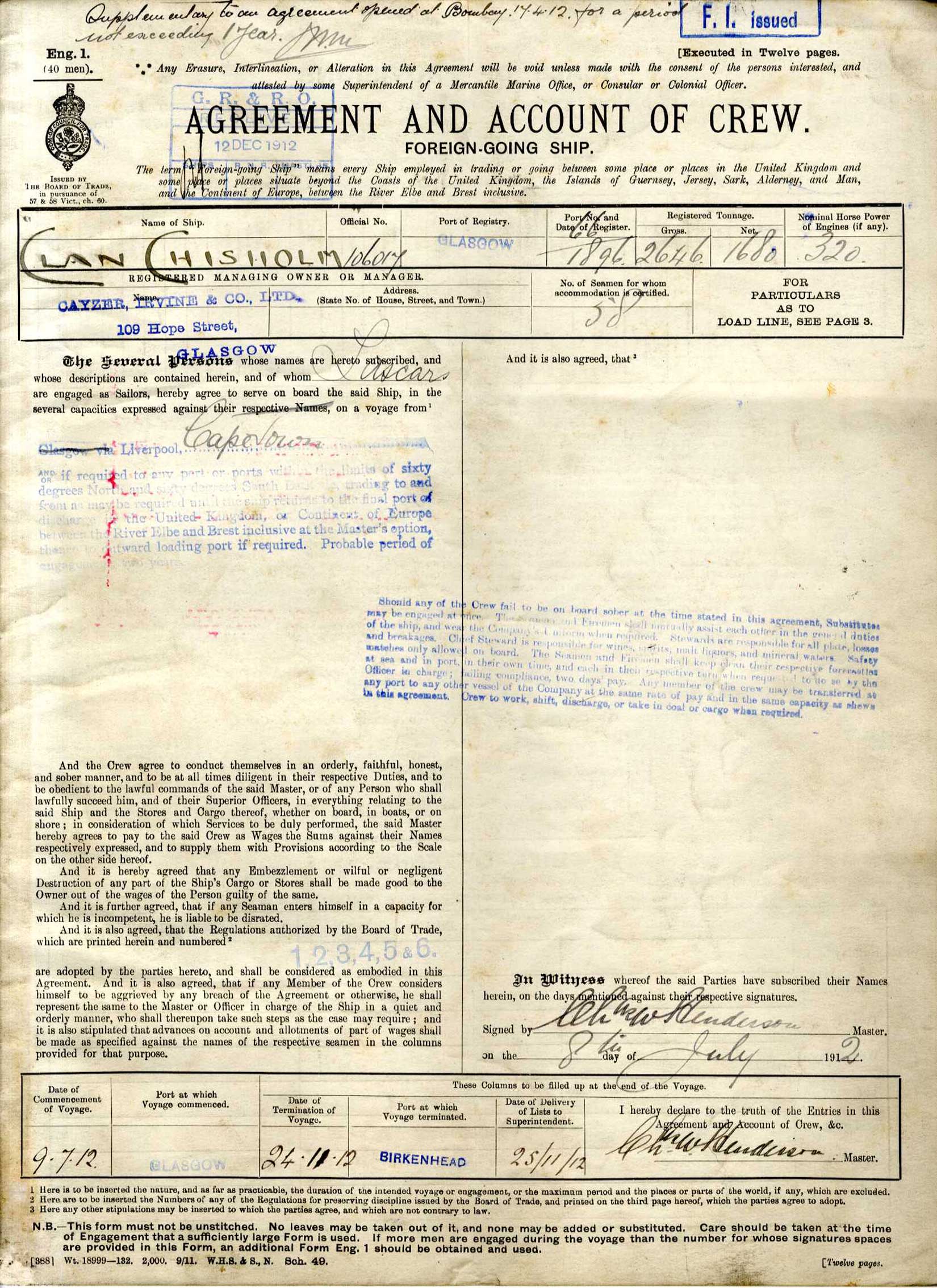
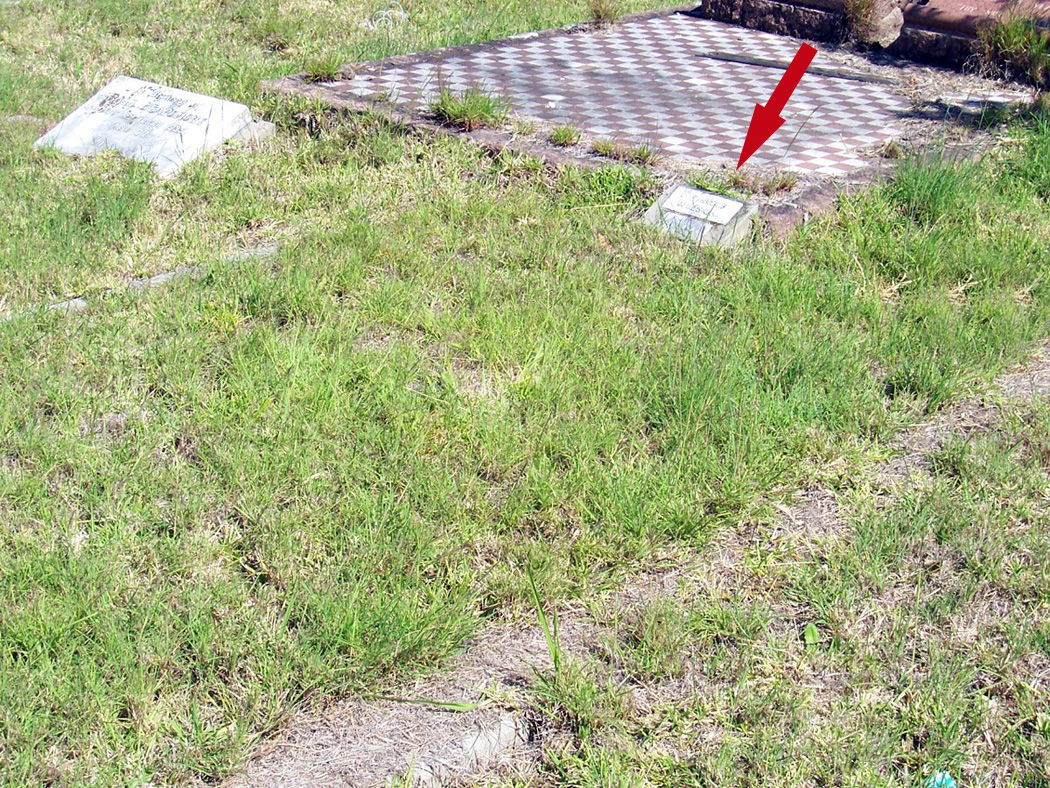
His father-in-law, Clement Parker, had the death Frank was denied. A charwoman's son who lost his own father at eighteen months, Clement spent sixty years as a gardener — and not just any gardener: in 1882 a Cardiff newspaper reported him exhibiting "nothing but orchids... of very fine quality... an almost infinite variety of colour" at a national show, in the middle of the Victorian orchid craze, when orchids were a rich man's obsession and Clement grew them on a draper's wages. (The reporter's one complaint: he hadn't fully unpacked the wool from around the blooms. Critics.) Forty years later, at seventy-six, still working, living in the cottage on the grounds he kept, Clement was found on Christmas morning, 1922, dead of a stroke in the meadow at Longmead — on his own ground, on the one day of the year even gardeners rest. The coroner who ruled it natural causes was named, I promise you, Nightingale.
And yes — before you ask — Marjorie and I built an automated orchid house in England, with machine misting and motorized blinds, decades before we knew about Clement's orchids. We built a robot that does her great-grandfather's job. The inheritance found us anyway.
The Page Nobody Has Turned
One mystery is sitting open on the table right now, and this is where you come in.
In April 1913, eight months after Frank drowned, his widow Sarah took little Frank and her sister and sailed from Liverpool to Ellis Island. The manifest says all three were headed to Wilkes-Barre, Pennsylvania — the Welsh coal capital of America. Five weeks later they sailed home. They never spoke of who they went to see, or why they didn't stay. The family has wondered for a century.
Here's the thing: the 1913 manifest form had a column — "whether going to join a relative or friend, and his name and complete address." It sat on the facing page of the very manifest we'd been looking at for years. Last night, I finally turned the page.
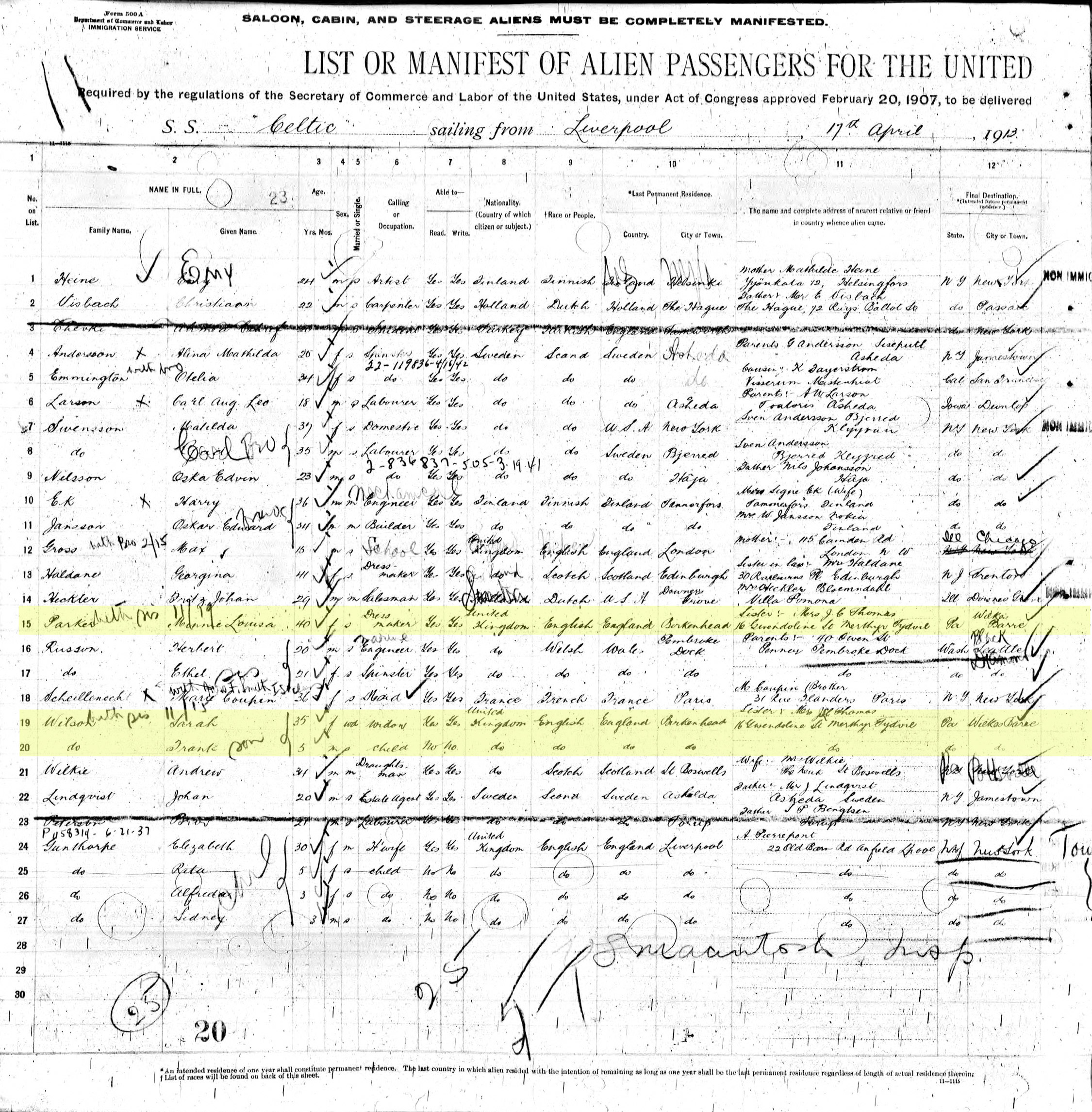
The clerk's hand reads: "Uncle: Jas. Morgan, 3 Lee Park Ave., Hanover Township, Wilkes-Barre." And our tree already knew him — we just didn't know we knew him. James Morgan, born 1846 in Trevethin, Wales: Sarah's mother's little brother, a coal-miner's son last seen in our records in the 1861 census as a sixteen-year-old haulier, dragging coal in a Monmouthshire pit. Then he vanishes from every British document — for fifty-two years — until an Ellis Island clerk writes his name as the person a widow, a dressmaker, and a five-year-old crossed an ocean to see. The vanished pit boy had become the American uncle, in the most Welsh coal town in the New World. (The clerk, keeping our family's traditions, recorded him on little Frank's line as "Grandfather." He was the boy's great-uncle. Officialdom never once got this family right, and it never once mattered.)
So the hundred-year question is half answered — and the better half is still open, which is where you come in. Was the visit a reunion, or a rejected new life? Why did five weeks send them home? And here's the twist worth chasing: the Lee Park neighborhood itself — a former fairground where Buffalo Bill once performed — was subdivided in 1902 by two developers named Jesse T. and William P. Morgan. Were the men who platted the neighborhood Uncle James's own sons? One Pennsylvania death certificate and one census page would settle all of it. They're free to view, tonight, for anyone with a web browser.
The pages turn fast once somebody starts turning them. I'm just saying.
Why I Do This: Colma
Last story.
Every time Helen went to San Francisco, she drove down to Colma to lay flowers on her mother's grave. Think about that for a second: the flower queen of the Pacific, the woman who dressed Elvis's movie wedding, arriving at a Colma crypt with an arrangement for an audience of one. It was her ritual, every trip, for decades. What she couldn't get was company — we were young, the city was fun, and nobody wants to schlep to a cemetery for a great-grandmother they never met. So she went alone, and she said, more than once, that when she died, nobody would know where her mother was buried. Or care.
(Years later I noticed some of the neighboring crypts had ferns planted, and Rachel's didn't. I called the cemetery and asked what it would take to give her ferns. They cheerfully quoted me forty-five thousand dollars. For ferns. To the family of a woman who grew ferns by the acre and had Foliage in her company name. Somewhere Helen heard that quote, did the wholesale math, and made a noise I can still imagine. Rachel remains fernless, and — as you're about to see — richer than every fern crypt on the row.)
Years later I fractured my back, and while I was laid up, that lament came back to me. Online genealogy was brand new. I went looking for the grave my family never visited — and found it in minutes. A complete stranger, a nice lady with a camera, walked out to the stone and photographed it, just because I asked. I've since stood at that grave myself. And I've become the stranger with the camera for other families — photographing graves for people I'll never meet, in Britain, in Vermont, here in Hawaii — paying back a debt to a woman whose name I never learned.
So my grandmother was wrong, in the best possible way. She feared the ritual would die with her; instead it changed hands, and then it grew. I know where her mother is buried. Now you know. Anyone who goes looking can know — because a family's memory is no longer one fragile person's burden. It's a commons, kept by strangers doing each other kindnesses across oceans.
That's what the "boring facts" are. Every certificate is somebody's Colma grave, waiting for the one relative curious enough to go looking. The uncontrollable girl, the bacon king, the widow with her mortgage, the boy with the invented father, the carpenter with the brace and no bits, the gardener in the Christmas meadow, the girl who stepped off a gangway into her wedding — none of them are facts. They're people. They schemed and grieved and lied beautifully and loved by mail steamer, and every single one of them is ours.
You're never really gone until the family historian gives up.
I have no intention of giving up. But I could use the company.
Every story above is documented — certificates, ship manifests, court records, ships' logs, and newspaper clippings, all viewable on the family website. Ask me for any of them. Especially the bacon.